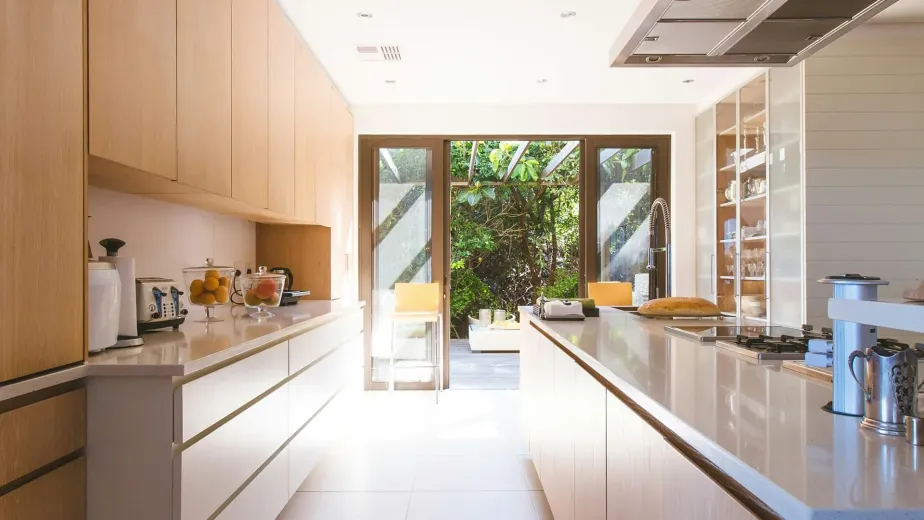
Selecting the right materials is one of the most important decisions in any construction or renovation project. The materials you choose not only define the look of your space but also determine its strength, lifespan, and maintenance needs.
Balancing durability with style ensures your investment stands the test of time—both structurally and visually.
Why Material Selection Matters
Every component in a building—from the foundation to the finishes—plays a role in performance and appearance. Poor material choices can lead to higher maintenance costs, faster wear and tear, and even safety concerns.
The right materials, on the other hand, offer:
- Long-term durability
- Better resistance to weather and usage
- Improved energy efficiency
- Enhanced aesthetic appeal
Understanding Durability in Construction
Durability refers to how well a material can withstand environmental conditions, usage, and time without deteriorating.
When evaluating durability, consider:
- Climate suitability – Materials must handle heat, humidity, or rain depending on location
- Load-bearing capacity – Especially important for structural elements
- Resistance to corrosion and moisture
- Maintenance requirements over time
For example, in regions with high temperatures, heat-resistant materials and proper insulation are essential for long-term performance.
Balancing Style with Functionality
While durability is critical, aesthetics should never be overlooked. Materials define the character and feel of a space.
To achieve the right balance:
- Choose finishes that match your design vision
- Consider textures, colors, and patterns
- Ensure materials complement each other across spaces
- Avoid trends that may quickly go out of style
Timeless designs often rely on neutral tones and high-quality finishes that age well.
Common Material Choices and Their Benefits
Concrete
A widely used material known for its strength and versatility. Ideal for structural components and modern designs.
Steel
Offers high strength and flexibility, commonly used in structural frameworks and large-span buildings.
Wood
Adds warmth and elegance to interiors but requires proper treatment to enhance durability.
Glass
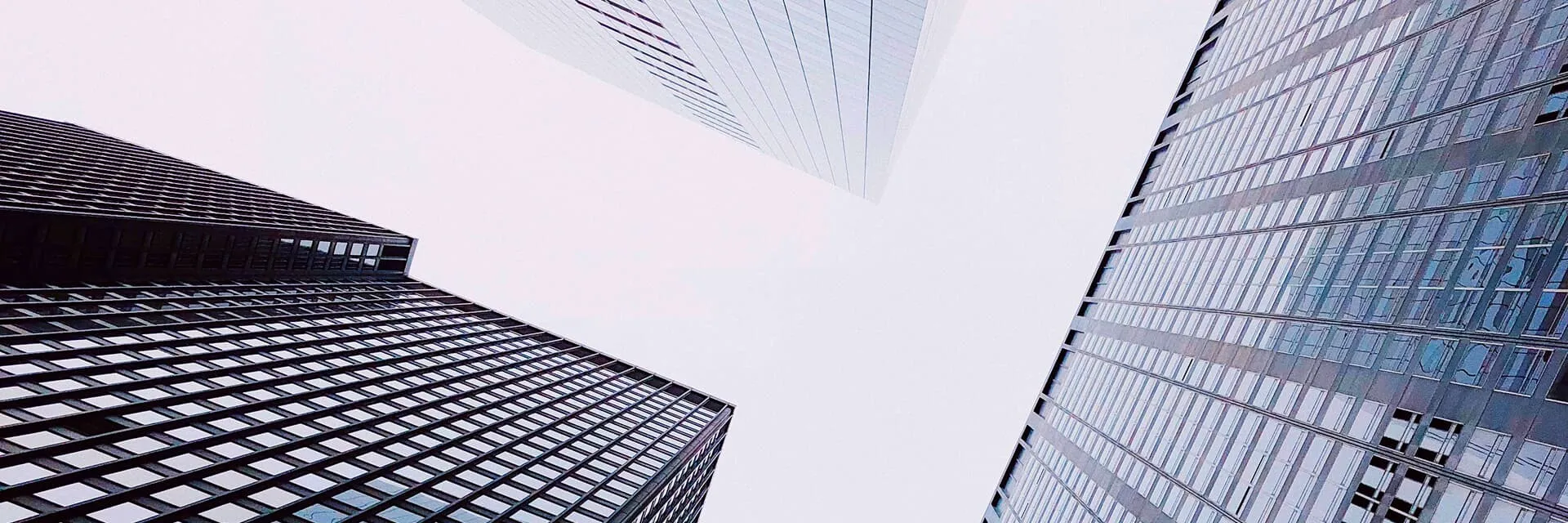
Enhances natural light and modern appeal, often used in facades and interior partitions.
Stone & Tiles
Durable and visually appealing, perfect for flooring, walls, and exterior finishes.
Sustainability and Smart Material Choices
Modern construction increasingly focuses on sustainable materials that reduce environmental impact while maintaining performance.
Consider:
- Energy-efficient insulation materials
- Recycled or eco-friendly products
- Locally sourced materials to reduce costs and carbon footprint
Sustainable choices not only benefit the environment but also improve long-term cost efficiency.
Cost vs Long-Term Value
Choosing cheaper materials may reduce initial costs but often leads to higher maintenance and replacement expenses.
Instead, focus on:
- Lifecycle cost of materials
- Durability vs upfront investment
- Warranty and reliability
Investing in quality materials upfront ensures better performance and lower costs over time.
Expert Guidance Makes the Difference
Material selection can be complex, especially when balancing technical requirements with design goals. Working with experienced professionals helps you:
- Choose the right materials for your project type
- Ensure compatibility between systems
- Avoid costly mistakes
- Achieve both durability and visual appeal
Final Thoughts
The success of any construction project depends heavily on the materials used. By carefully selecting materials that combine strength, efficiency, and style, you create spaces that are not only beautiful but also built to last.
A well-planned material strategy ensures your project remains functional, attractive, and valuable for years to come.