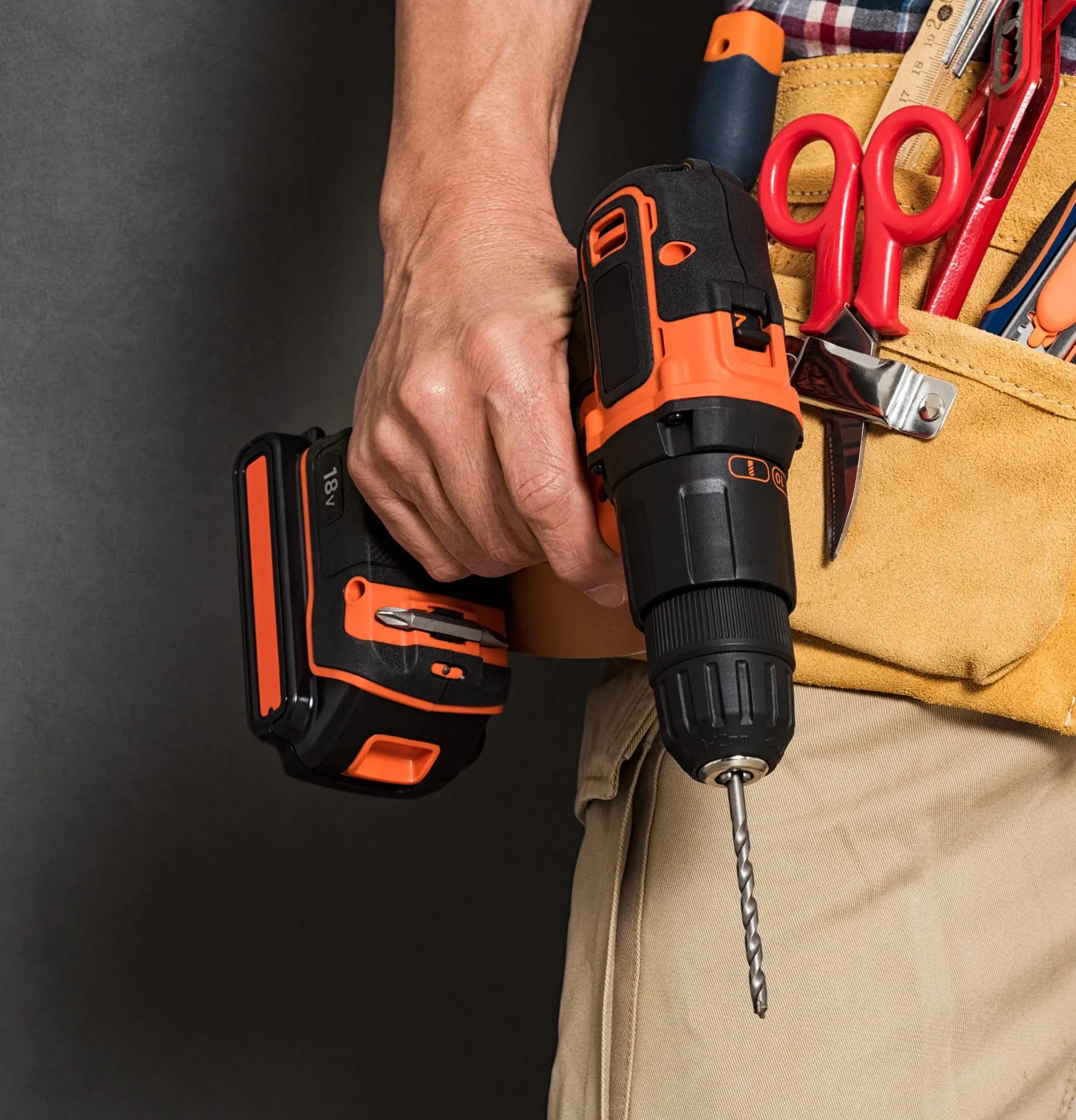
The construction industry is undergoing a major transformation. Once driven mainly by manual processes and traditional methods, today’s projects are powered by advanced technologies that improve efficiency, safety, and overall project quality.
From design to execution, technology is redefining how buildings are planned, constructed, and maintained.
The Shift Toward Smart Construction
Modern construction is no longer just about physical labor—it’s about smart planning and digital integration. Companies are now adopting tools that allow better coordination, faster execution, and more accurate decision-making.
This shift helps:
- Reduce project delays
- Improve cost control
- Enhance communication between teams
- Deliver higher-quality outcomes
Building Information Modeling (BIM)
One of the most impactful innovations is Building Information Modeling (BIM). It allows teams to create detailed digital representations of a building before construction begins.
With BIM, you can:
- Visualize the entire project in 3D
- Detect design clashes early
- Improve coordination between architectural, structural, and MEP systems
- Reduce costly changes during construction
This leads to better planning and fewer on-site errors.
Automation and Modern Equipment
Advanced machinery and automation are improving productivity on construction sites.
Examples include:
- Automated equipment for excavation and material handling
- Prefabrication and modular construction techniques
- Robotics for repetitive tasks
These technologies reduce manual effort, increase speed, and improve precision.
Drones and Site Monitoring
Drones are becoming an essential tool for construction projects.
They are used for:
- Site surveys and mapping
- Progress tracking
- Safety inspections
- Real-time reporting
Drones provide accurate data quickly, helping project managers make informed decisions.
Smart Materials and Sustainable Solutions
Technology is also influencing the materials used in construction.
Innovations include:
- Energy-efficient insulation materials
- Self-healing concrete
- Smart glass that adjusts to light and temperature
These materials improve durability, reduce maintenance, and support sustainable building practices.
Internet of Things (IoT) in Construction
IoT devices are being used to monitor and manage construction processes in real time.
They help:
- Track equipment and material usage
- Monitor worker safety
- Improve energy management in buildings
- Provide data for predictive maintenance
This level of insight improves efficiency and reduces risks.

Project Management Software
Digital project management tools are streamlining workflows and communication.
With these platforms, teams can:
- Track project timelines
- Manage budgets
- Share updates instantly
- Collaborate across different locations
This ensures better coordination and transparency throughout the project lifecycle.
Improved Safety Through Technology
Safety is a top priority in construction, and technology is making a big difference.
Innovations include:
- Wearable safety devices
- Real-time hazard detection systems
- Automated alerts for risky conditions
These tools help reduce accidents and create safer work environments.
The Future of Construction
The future of construction lies in continued innovation. Technologies like artificial intelligence, 3D printing, and advanced data analytics are expected to further transform the industry.
Companies that embrace these advancements will be better positioned to:
- Deliver projects faster
- Maintain higher quality standards
- Reduce costs and waste
- Meet evolving client expectations
Final Thoughts
Technology is no longer optional in construction—it is essential. From design and planning to execution and maintenance, digital tools and smart solutions are shaping a more efficient and reliable industry.
By adopting modern technologies, construction companies can deliver better results, improve client satisfaction, and stay competitive in a rapidly evolving market.