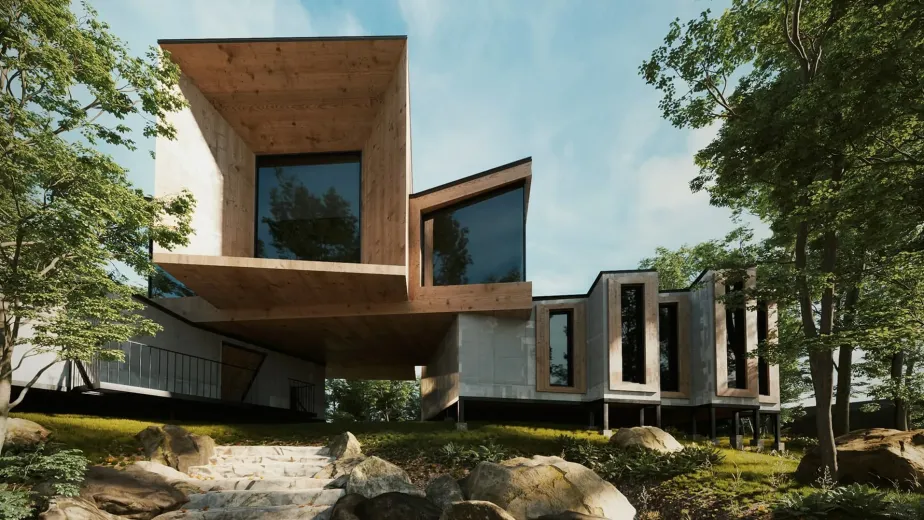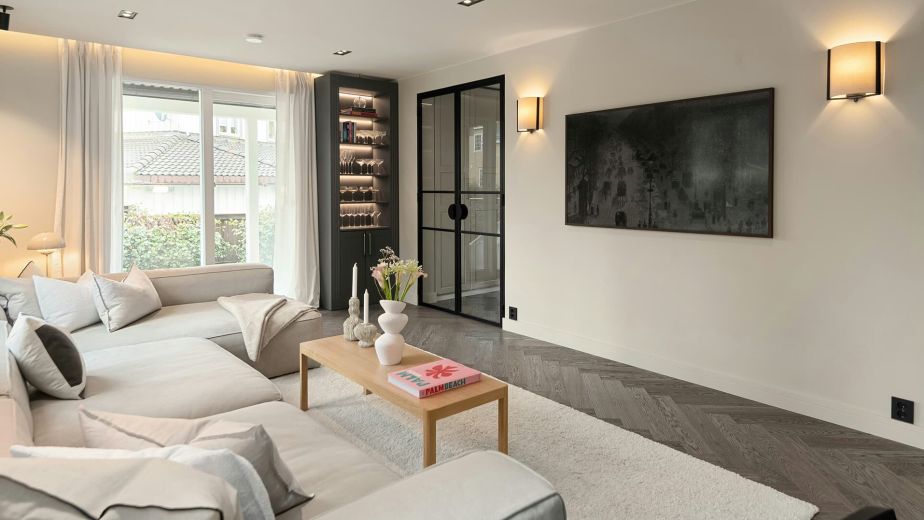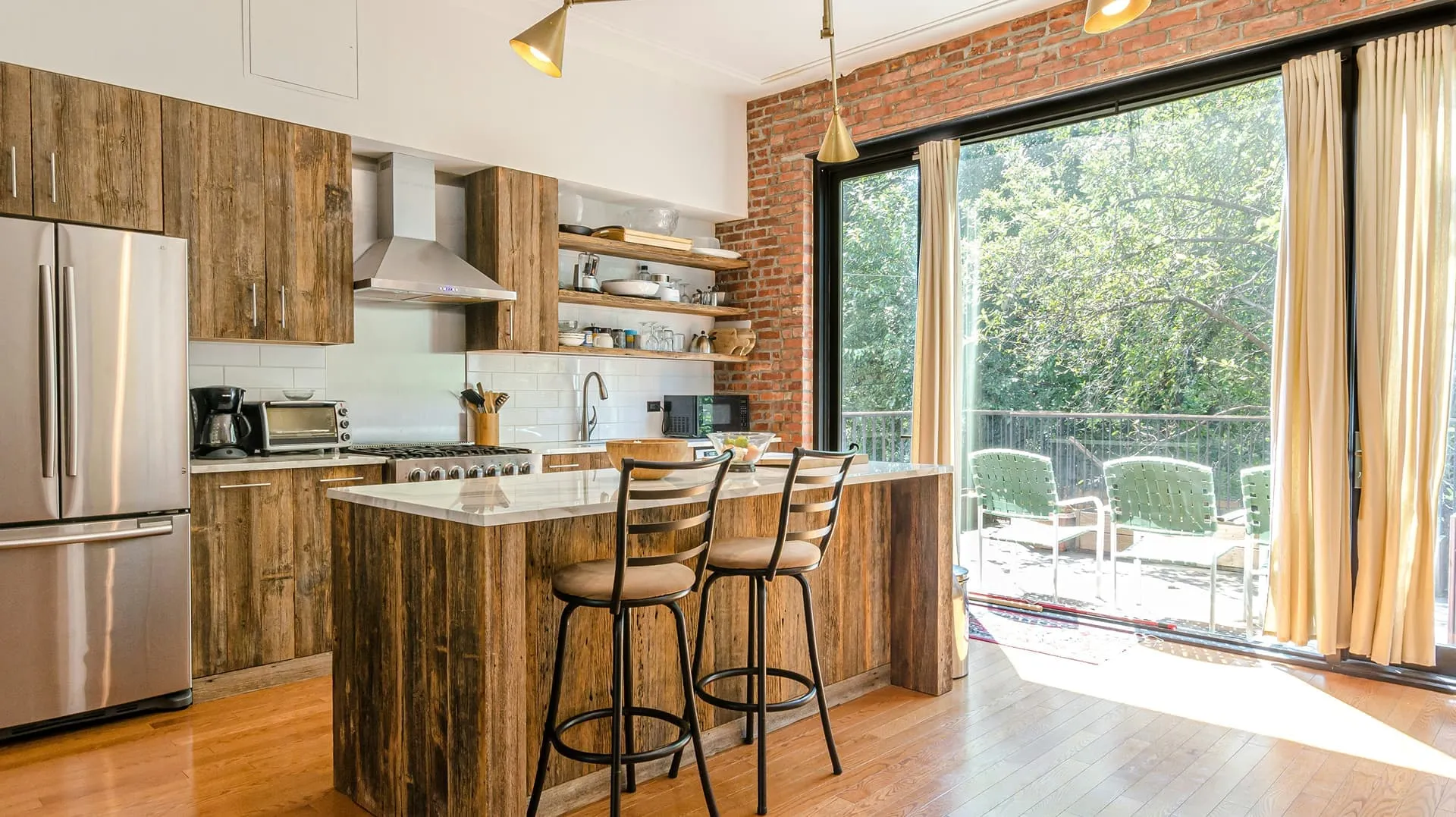
The construction industry is undergoing a major transformation driven by sustainability, climate goals, and smarter technology. Modern buildings are no longer just about strength and design—they are now focused on energy efficiency, low environmental impact, and long-term resilience. Here are the key sustainable trends shaping construction in 2026 and beyond.
1. Net-Zero and Low-Carbon Buildings
One of the biggest shifts is the rise of net-zero buildings—structures that produce as much energy as they consume. Builders are increasingly using solar power, high-efficiency insulation, and smart energy systems to reduce dependency on fossil fuels.
Net-zero construction is becoming mainstream because it reduces long-term operating costs while lowering carbon emissions significantly.
2. Low-Carbon and Eco-Friendly Materials
Material innovation is at the heart of sustainable construction. Traditional high-emission materials are being replaced with greener alternatives such as:
- Recycled steel
- Fly ash concrete
- Cross-laminated timber
- Bamboo and bio-based materials
These materials help reduce the embodied carbon footprint of buildings while maintaining durability and performance.
3. Circular Construction and Material Reuse
Instead of demolishing old structures, developers are now focusing on reuse and adaptation. This trend is known as circular construction.
Key ideas include:
- Reusing existing buildings (adaptive reuse)
- Designing for disassembly
- Recycling construction waste into new materials
This approach significantly reduces landfill waste and environmental impact.
4. Smart and Energy-Efficient Building Systems
Modern sustainable buildings integrate smart technologies to optimize performance, such as:
- Automated lighting systems
- IoT-based energy monitoring
- Smart HVAC control
- AI-driven building management systems
These systems improve efficiency, reduce waste, and enhance occupant comfort.
5. Water Conservation and Management
Water efficiency is becoming a critical part of sustainable construction. Buildings are now designed with:
- Rainwater harvesting systems
- Greywater recycling
- Low-flow fixtures
- Smart irrigation systems
These solutions help reduce water consumption and support long-term resource sustainability.
6. Modular and Prefabricated Construction
Prefabrication and modular building methods are gaining popularity because they:
- Reduce construction waste
- Shorten project timelines
- Improve quality control
- Lower environmental impact
Since most components are manufactured off-site, material usage becomes more efficient and controlled.
7. Climate-Resilient Design
With increasing extreme weather events, buildings are being designed to withstand climate risks such as:
- Heatwaves
- Flooding
- Strong winds
- High humidity
Features like reflective roofs, elevated foundations, and passive cooling systems are now common in sustainable design.
8. Health-Focused and Green Interiors
Sustainability is also extending indoors. Modern buildings now prioritize:
- Better air quality (low-VOC materials)
- Natural lighting and ventilation
- Biophilic design (bringing nature indoors)
- Non-toxic construction materials
This creates healthier living and working environments.
Conclusion
Sustainable construction is no longer optional—it is becoming the standard for modern building practices. From net-zero energy systems to eco-friendly materials and smart technologies, the industry is moving toward a future that balances performance, comfort, and environmental responsibility.
The result is a new generation of buildings that are not only efficient and cost-effective but also designed to protect the planet for the long term.